On this page
When is mold testing worth it in a Decatur home?
Testing is not needed for every mold problem. When growth is visible and the moisture source is clear, an inspection usually settles the plan. Testing earns its place when:
- Growth is suspected but hidden, such as a musty odor with nothing visible.
- An odor has no clear source, for example in a finished basement or a closed-up room.
- You are buying an older Decatur home and want the condition documented before closing.
- You need documented levels before and after a removal job.
- Someone in the household has health concerns they want to discuss with a doctor, and results would help that conversation.
What does mold testing involve?
- An inspection first. The pro looks at the area and takes moisture readings, so the samples are taken in the right places.
- Air samples indoors. A pump draws a measured volume of air through a collection device in the rooms of concern.
- An outdoor comparison sample. Mold spores are always present outdoors, so indoor results are read against an outdoor sample taken on the same visit.
- Surface samples. A swab or tape lift from visible growth identifies what that growth is.
- Laboratory analysis. The samples go to a lab, which identifies the mold types and how much is present.
- The report explained. The pro walks you through the results against what the inspection found.
Air samples or surface samples?
- Air samples show what is in the air and how indoor levels compare with outdoors. They help when growth is hidden inside a wall, under flooring or in a crawl space.
- Surface samples identify a specific patch of growth, which matters when the plan depends on what it is.
Neither sample type finds the moisture source. That is the inspection's job, which is why testing usually follows an inspection rather than replacing it.
Testing in older Decatur homes
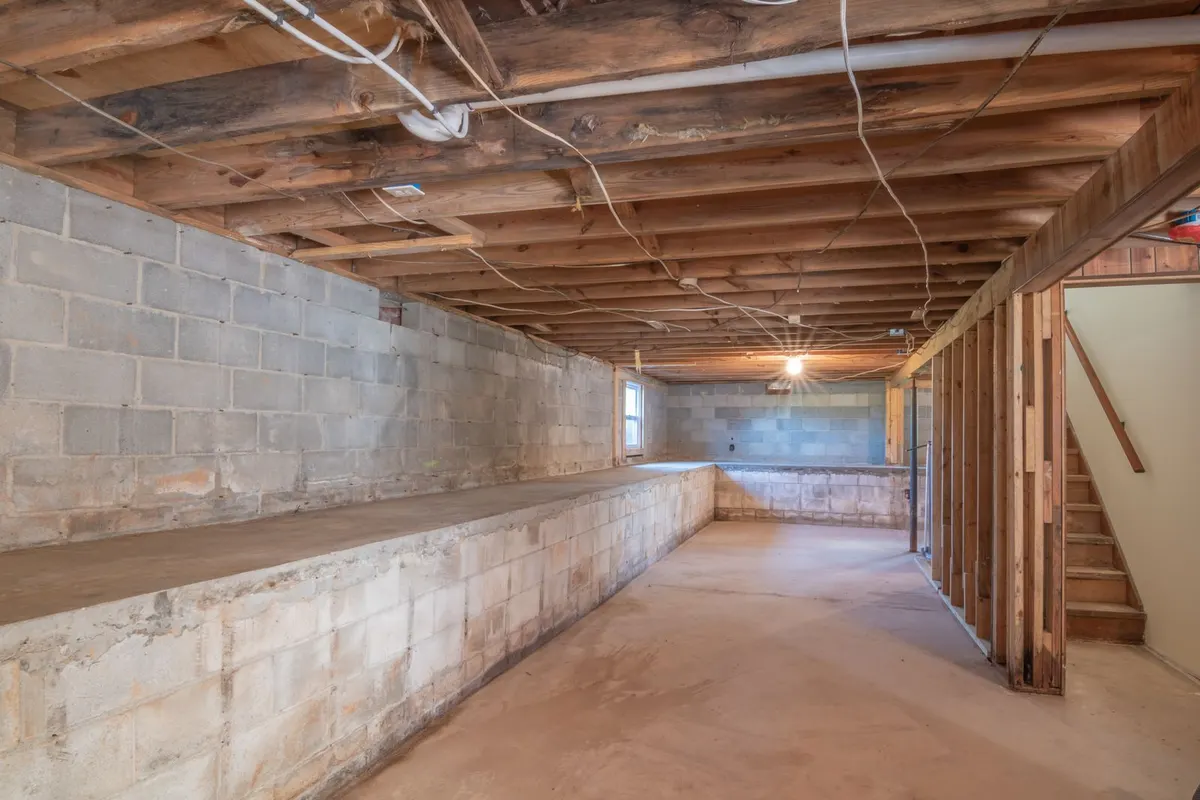
The median home in the city of Decatur was built in 1975, according to the Census Bureau's American Community Survey, and over half the housing predates 1980. Older homes have had decades for small leaks to run unseen, and many sit over crawl spaces or basements that stay damp. When a buyer or owner notices a musty basement or an odor with no clear source, air samples can show whether hidden growth is likely before anything is opened up.
Testing is also common in finished basements, where paneling or drywall can hide growth on the block wall behind it.
How to read a mold test report
- Which types were found? Each sample lists the mold types identified.
- How do indoor levels compare with outdoors? Indoor levels well above the outdoor sample, or types indoors that are absent outdoors, point to an indoor source.
- Where were the high readings? One room with high levels points the search at that room.
Results guide the plan; they do not replace finding the moisture. Testing answers what kind and how much. The inspection answers where and why.
What testing cannot tell you
Testing does not say whether a home is safe for a particular person; that is a conversation for a doctor. It does not find the water source, and a single sample does not describe a whole house. Read results alongside the inspection findings, not instead of them.
Testing year-round in Decatur
Because Decatur's rain is spread across the whole year, there is no single season when a basement or crawl space reliably dries out. Testing can be done in any month. What matters more is that conditions on the day are noted: recent heavy rain, how the heating or air conditioning has been running, and whether windows have been open. The pro records these so the indoor and outdoor samples are compared fairly.
Questions to ask before testing
- Will the results change what happens next? If not, an inspection alone may be enough.
- Which rooms will be sampled, and will an outdoor comparison sample be taken?
- Which laboratory analyzes the samples, and when does the report come back?
- Will the pro walk you through the report against the inspection findings?
Clear answers to these questions mean the samples are being taken for a reason, not as a routine add-on.
Testing after a removal job
Some owners ask for samples once removal and drying are finished, to document that indoor levels are back in line with the outdoor comparison. This is common when selling a home, ending a lease dispute or closing an insurance claim. A visual check that the area is dry and clear is part of every finished job; post-removal samples add a lab record on top. Ask before work starts whether that record will be needed, so the samples can be planned rather than added later. Keep the report with your home records.
What to do before samples are taken
- Do not clean, spray or disturb the area for a day or so beforehand; it changes the results.
- Keep windows and doors closed as normal and run the heating or air conditioning as usual.
- Avoid running air purifiers in the test rooms unless the pro says otherwise.
- Tell the pro about any recent cleaning, painting or water events.
To arrange testing, call (tracking number) and describe the area of concern.
Related services in Decatur
Testing usually follows a mold inspection in Decatur. If results confirm growth, see mold remediation in Decatur or black mold removal. In 30033, see North Decatur. Every service is on the Decatur mold services page.
Questions Decatur homeowners ask
What is the difference between mold testing and a mold inspection?
An inspection is a visual assessment with moisture readings — it finds where mold is growing and why. Testing takes air or surface samples for a laboratory, which identifies the mold type and how much is present. Most homes need the inspection first; testing is added when its results would change the plan.
How long do lab results take?
Laboratory turnaround varies by lab and sample type, and the pro confirms the expected timing when samples are taken. Results come back as a report naming the mold types found and their levels, which the pro then explains against what the inspection found.
When is testing worth doing in a Decatur home?
When growth is suspected but not visible, when an odor has no clear source, before buying an older Decatur home, or when you need documented levels before and after a removal job. If visible growth and its moisture source are already clear, an inspection alone usually settles the plan.