The cost of mold removal depends on the job, and no honest figure can be given without seeing the home. This guide explains the factors a pro weighs when setting the scope. It gives factors only, not prices. For the process itself, see mold remediation in Decatur.
Factor 1: how much growth there is
The area of growth, and of damp material around it, is the starting point. Moisture readings often show that the damp area is larger than the visible growth, which is why the scope is set after the inspection.
Factor 2: where it is growing
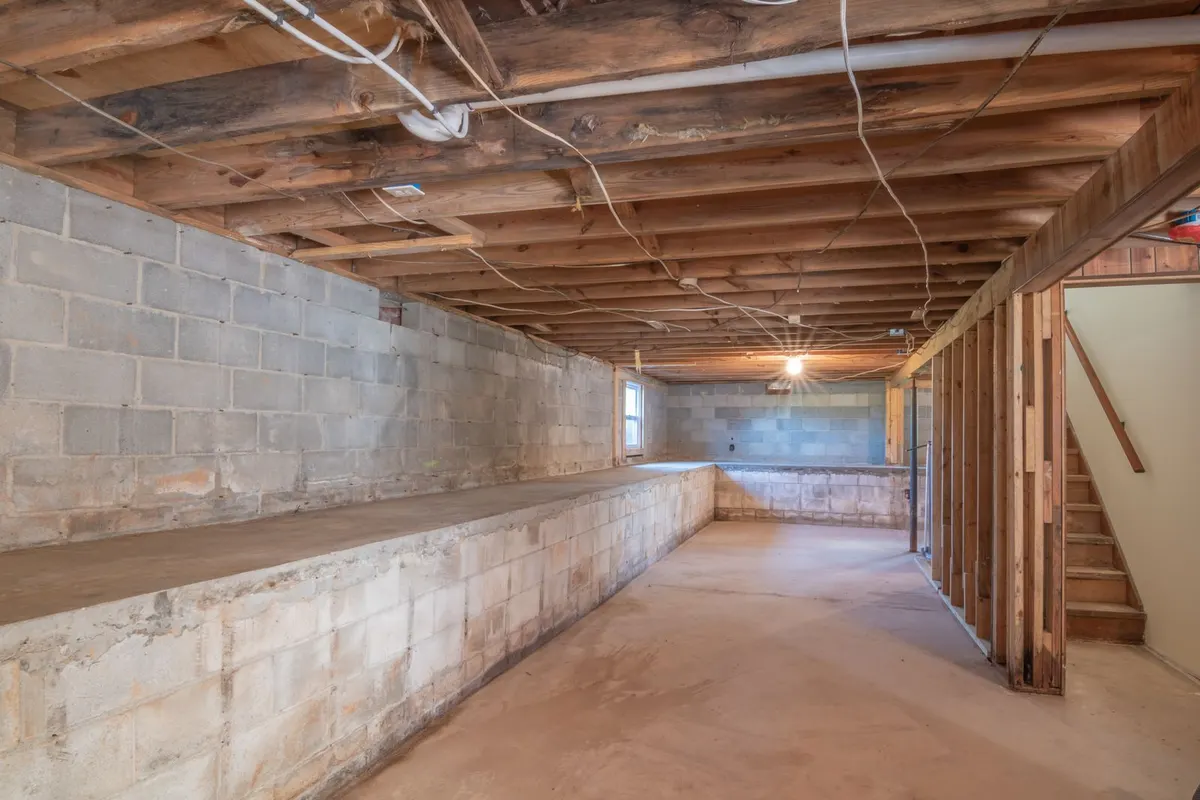
Growth on an open wall is easier to reach than growth inside a wall cavity, under flooring, in a crawl space or in an attic. Many older Decatur homes have crawl spaces, and work there means tight access and extra steps.
Factor 3: the materials affected
Hard surfaces can often be cleaned. Porous materials such as drywall, insulation and carpet usually cannot, and are removed and bagged.
Factor 4: what is feeding it
A plumbing leak, poor drainage around the foundation or a damp crawl space may need its own repair before or alongside the removal. Fixing the source is what stops the growth coming back.
Factor 5: containment and drying
Larger jobs need the work area sealed off and the structure dried afterwards. Both add steps.
Factor 6: testing
Testing is a separate service with its own fee. It is only worth adding when the results would change the plan; see mold testing in Decatur.
What is usually not part of mold removal
Repairs to the moisture source and rebuilding after material is removed, such as new drywall, paint or flooring, are often separate pieces of work. Ask which parts the scope covers.
Decatur factors that can widen the scope
Several local conditions show up in scoping. Crawl spaces mean tight access and work below the floor. Finished basements can hide growth behind paneling, so more material may need to come out to reach it. In older homes, the moisture source can be a long-running plumbing or roof leak that needs its own repair. In apartment buildings the source may sit in another unit, which adds coordination with the property manager.
How to keep the scope small
- Act on early signs, such as a musty odor or a damp crawl space, before growth spreads.
- Dry any water within 24 to 48 hours, as the EPA advises.
- Leave growth undisturbed so spores are not spread to clean areas.
- Fix slow leaks as soon as you notice them.
Why an inspection comes first
An inspection sets the scope that every later figure depends on. Without it, any number is a guess.
Questions to ask about cost
- What is the full scope: containment, removal, drying and the final check?
- What is causing the growth, and is fixing it part of the plan?
- Which materials will be removed, and which cleaned?
- Is testing included, and is it needed?
- What could change the scope once work begins?
Comparing quotes
Compare the scope, not only the total. One quote may include containment, drying and a final check; another may cover cleaning the visible growth alone. Be wary of a price set before anyone has seen the home.
A pro can talk through cost once the home has been assessed. Call (tracking number) to be connected with an independent local pro, or start with a mold inspection.
Questions Decatur homeowners ask
Why are there no prices on this page?
Because an honest figure needs the scope: how much growth, where it is and what is feeding it. Quotes given without an assessment are guesses. This guide explains the factors a pro weighs, and an inspection settles the scope for your home.
What makes one job bigger than another?
The size of the affected area, whether growth is inside walls, ceilings or a crawl space, how much material has to come out, and whether the moisture source needs repair first. Containment and drying add steps on larger jobs.
Does testing add to the cost?
Testing is a separate service with its own fee, set by the pro and the laboratory. It is only worth adding when the results would change the plan — the inspection findings decide that.