Mold rarely announces itself all at once. In Decatur homes it usually shows up as a smell, a stain or a damp crawl space, often months after the moisture that caused it. This guide walks through each sign, where to look, and when the sign calls for a mold inspection in Decatur rather than cleaning.
Sign 1: a musty odor that does not clear
A damp, earthy smell is often the first sign, and sometimes the only one. If it stays after you air out the room, something nearby is damp. In older Decatur homes the source is often below the floor: a crawl space or basement holding moisture.
Sign 2: visible patches
Mold can look black, green, white, gray or brown, and fuzzy, slimy or powdery. Look on ceilings, around windows, on grout, on the backs of furniture against exterior walls, and on stored items in the basement. Patches that spread or return after cleaning point to an active moisture source.
Sign 3: bubbling paint or warped trim
Moisture inside a wall pushes paint away from the surface and swells baseboards and trim. These signs often appear before growth is visible, because the water is behind the surface.
Sign 4: a damp crawl space or basement
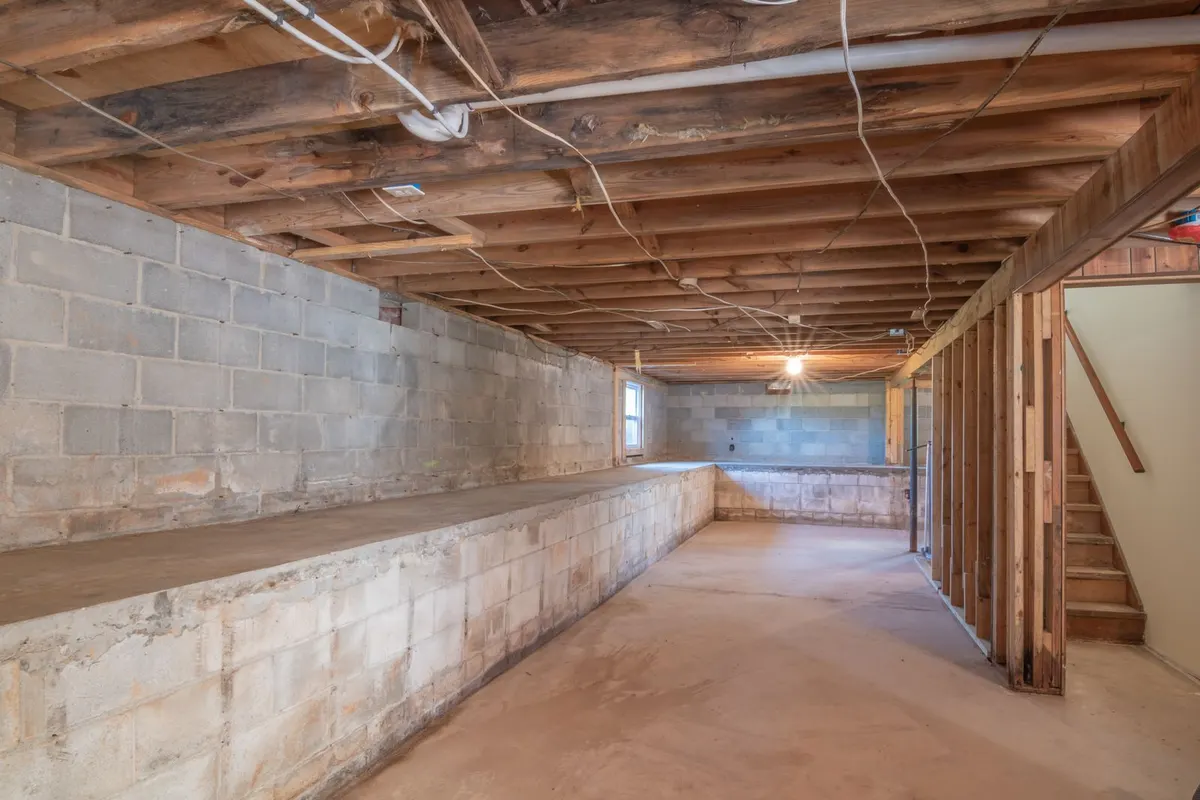
Standing water, damp soil, wet insulation, a white mineral crust on block walls, or a musty smell when you open the crawl-space door all point to moisture below the house. Over half of Decatur city's housing predates 1980, and many of those homes sit over crawl spaces or basements that the EPA counts among the areas most often missed.
Sign 5: staining after a leak or heavy rain
Water stains show where water has been. Even when a stain dries, the material behind it may still be damp. The EPA advises drying water-damaged areas within 24 to 48 hours to prevent growth.
Sign 6: rooms that always feel damp
The Atlanta area's rain is spread through the year, so dampness is not limited to one season. If a room feels clammy, windows fog, or stored items smell stale, indoor humidity may be too high. The EPA recommends keeping it between 30 and 60 percent.
Where to look, room by room
- Crawl space or basement: floor framing, block walls, the ground cover, plumbing runs.
- Bathrooms: ceilings, grout, under the vanity, around the exhaust fan.
- Kitchen: under the sink, behind the refrigerator and dishwasher.
- Laundry and water heater: floors and walls around hoses and the tank.
- Air handler: the drain pan, the condensate line and the area around it.
- Ceilings under the roof and the attic: stains, damp insulation, dark patches.
Signs that are not mold
A white powdery crust on block or concrete is often efflorescence, minerals left behind by water. It is not mold, but it still points to moisture coming through the wall. Dust and soot can collect in dark lines along walls. If you are not sure, a photo and a description help the pro judge what is worth inspecting.
When signs call for an inspection
- The affected area is larger than a small patch on a hard surface.
- Growth keeps returning after cleaning.
- The moisture source is unknown.
- The signs follow a leak, flooding or a wet crawl space.
- There is a musty odor with no visible growth.
An inspection finds the cause, not only the growth. Call (tracking number) to be connected with an independent local pro, or read about mold testing in Decatur.
Questions Decatur homeowners ask
Can mold be present if I cannot see it?
Yes. Mold often grows where you cannot see it: inside wall cavities, under flooring, in crawl spaces and inside HVAC systems. A musty odor with no visible growth is a common reason Decatur homeowners book an inspection with moisture readings.
Which rooms should I check first?
Start where water is used or has been: bathrooms, the kitchen, the laundry area and around the water heater and air handler. Then check the crawl space or basement, ceilings under roof lines, and any room that had a leak, however long ago.
When do signs call for an inspection rather than cleaning?
When the area is larger than a small patch on a hard surface, when growth keeps returning after cleaning, when the moisture source is unknown, or when the signs follow a leak or flooding. An inspection finds the cause, not only the growth.